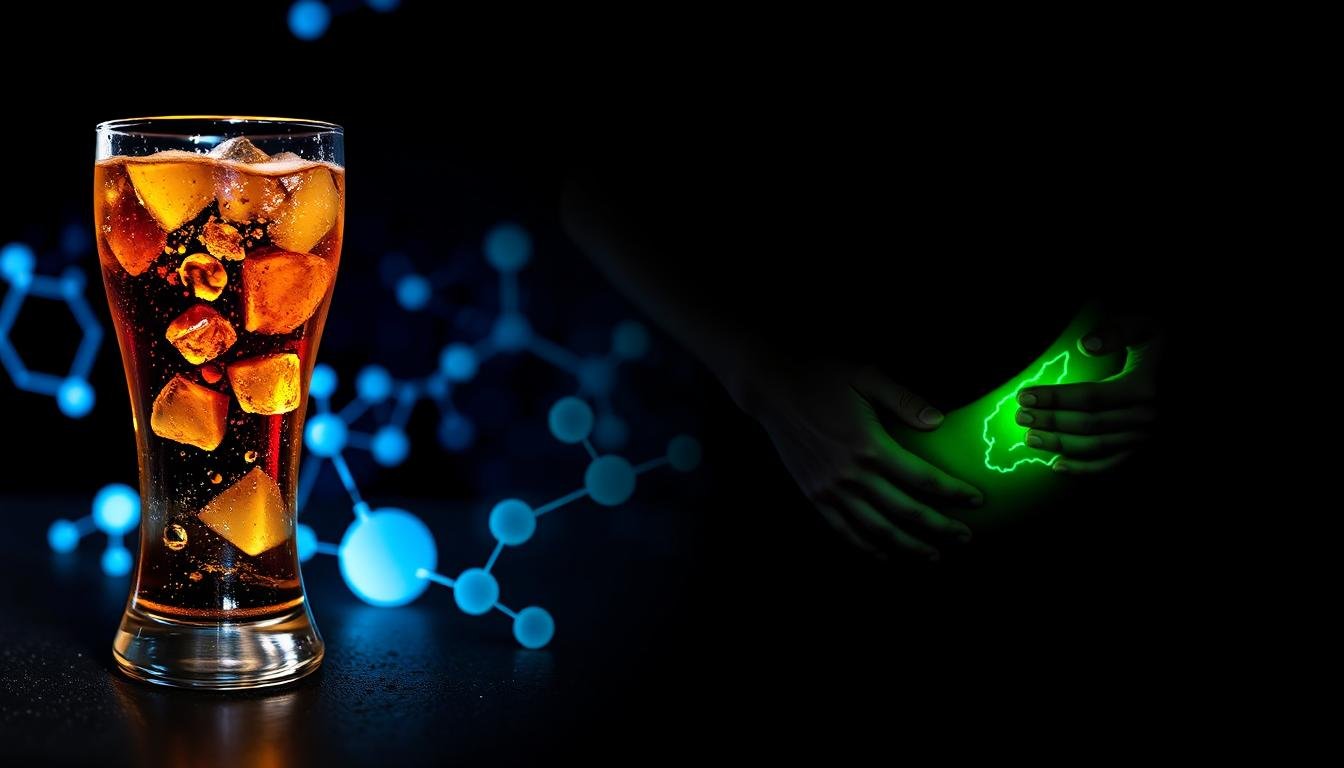
Earlier this month, a new study made headlines claiming a popular artificial sweetener might increase your risk of liver disease. The internet erupted. People started purging their diet sodas. Others doubled down, insisting it's all fearmongering.
Here's what we need to understand: the truth about artificial sweeteners is more nuanced than either extreme view. The research is mixed. Some sweeteners show concerning patterns. Others have solid safety records. And context matters enormously.
Let's break down what the latest research actually says, what it means for your health, and what you should know if you're making choices about what to consume.
What Does the New Research Say?
In November 2025, researchers published findings suggesting that certain artificial sweeteners might be associated with increased liver disease risk. The study examined consumption patterns and liver health markers in a large population.
Before we panic, let's understand what the research actually showed and what it didn't.
What the research found:
- An association between certain artificial sweetener consumption and markers of liver disease
- The correlation was strongest with some sweeteners more than others
- The effect was more pronounced in people with specific risk factors
What the research didn't prove:
- That artificial sweeteners cause liver disease (correlation does not equal causation)
- That moderate use is dangerous for most people
- That all artificial sweeteners are equally risky
- The mechanism of how sweeteners might affect the liver
This is important. An association study tells us there's a pattern worth investigating. It doesn't tell us the sweetener caused the disease.
Understanding Artificial Sweeteners: The Full Picture
There are many artificial sweeteners on the market, and they're not all created equal.
The main types:
Saccharin (Sweet'N Low): Been around since the 1800s. Has an excellent safety record despite initial concerns. Most regulatory bodies consider it safe.
Aspartame (NutraSweet, Equal): One of the most studied food additives. Regulatory agencies worldwide have determined it safe at current consumption levels. Some controversy remains despite extensive research.
Sucralose (Splenda): Derived from sugar but chemically modified. Generally recognized as safe by regulatory bodies. Less research than aspartame, but no major red flags.
Acesulfame-K (Sunett): Less commonly known, but used in many products. Limited long-term human studies, though initial safety assessments are favorable.
Stevia and erythritol: Often considered "natural" alternatives. Generally well-tolerated, though high doses of erythritol can cause digestive upset. Less long-term data than synthetic sweeteners.
The research picture varies by sweetener. Some have decades of safety data. Others are newer with less information available.
The Real Question: What's Happening in Our Bodies?
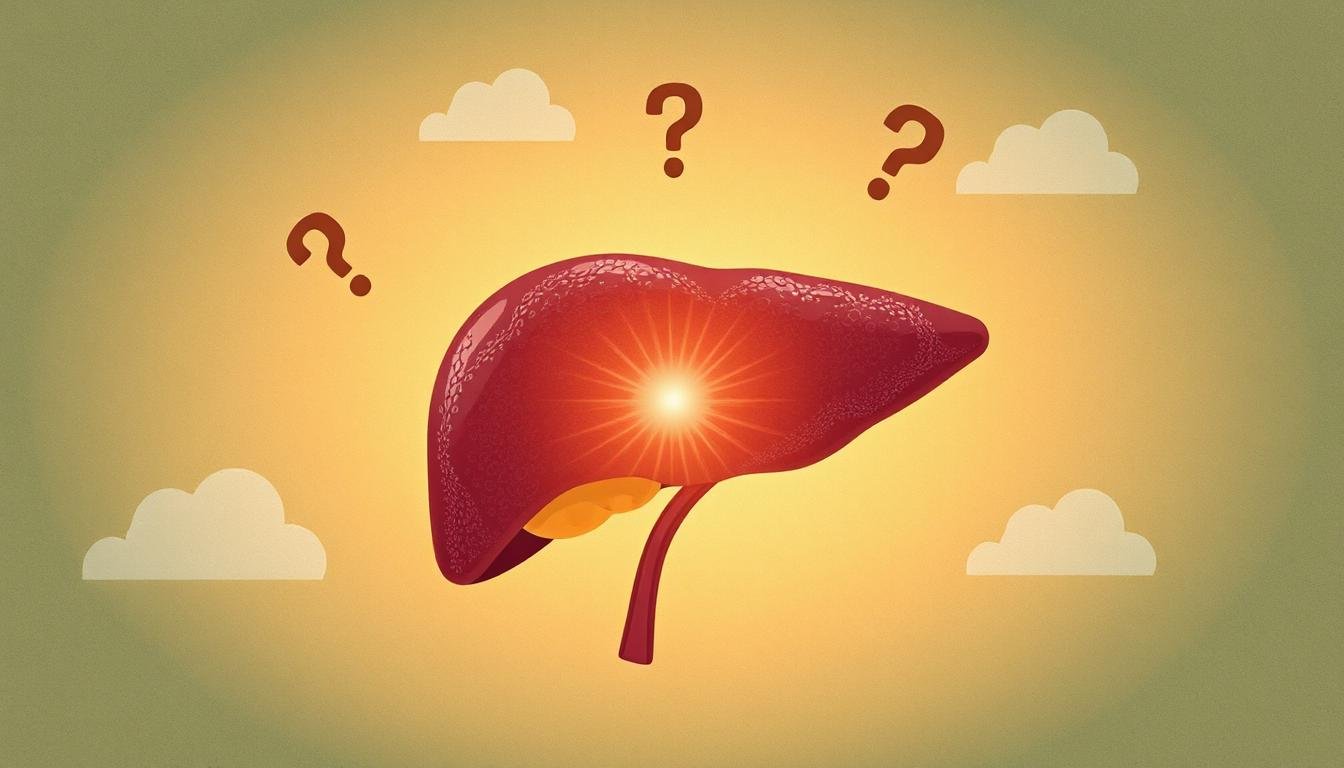
Here's what's genuinely interesting about the artificial sweetener debate: we don't fully understand the mechanism.
If artificial sweeteners increase liver disease risk, how? They're not being metabolized like natural sugars. They're mostly passing through your system unchanged. So why would they affect liver health?
Several theories exist:
The Microbiome Hypothesis
Your gut bacteria strongly influence your overall health, including liver function. Some research suggests artificial sweeteners alter the composition of your gut microbiome in ways that might be unfavorable. This could indirectly affect liver health.
The evidence here is emerging but not conclusive. Some sweeteners appear to affect gut bacteria more than others.
The Metabolic Disruption Theory
Even though artificial sweeteners aren't metabolized like sugar, they trigger taste receptors in your mouth and gut that expect calories. This mismatch might subtly disrupt your metabolic regulation. Over time, this could contribute to metabolic dysfunction and liver stress.
Again, this is emerging research. Not all sweeteners trigger this equally, and individual variation is huge.
The Inflammation Response
Some research suggests artificial sweeteners might trigger mild inflammatory responses in certain individuals. Chronic inflammation can stress the liver over time.
Again, this is emerging research. Not all sweeteners trigger this equally, and individual variation is huge.
Are You at Risk? Context Matters Enormously
Here's what matters most: your individual situation.
If you have:
- Existing liver disease or risk factors
- Fatty liver disease
- Metabolic syndrome or insulin resistance
- Obesity
- Heavy alcohol consumption
You should be cautious with artificial sweeteners. If you're in this group, the potential risk is higher because your liver is already stressed.
If you:
- Have no liver disease or metabolic dysfunction
- Consume sweeteners occasionally, not excessively
- Maintain a generally healthy lifestyle
- Have normal liver function tests
The research shows minimal risk at current consumption levels. Occasional diet soda is unlikely to be problematic.
The danger zone appears to be high consumption over long periods, especially combined with other risk factors.
Sugar vs. Artificial Sweeteners: The Uncomfortable Reality
Here's something people don't want to hear: if the choice is between regular sugar and artificial sweeteners, sugar might actually be worse for your health.
Sugar directly damages the liver. High sugar consumption is a primary driver of fatty liver disease. This is not theoretical. It's well established.
So if you're choosing between a regular soda and a diet soda, the diet soda is likely the better choice, despite the new concerns about artificial sweeteners.
The best choice? Neither regularly. Water, herbal tea, or sparkling water are genuinely the healthiest options.
What's the Safest Approach Right Now?
Given the mixed evidence, here's what we recommend:
If you drink diet beverages regularly:
- Consider reducing consumption. You don't need to eliminate them, but cutting back is sensible.
- Rotate between different sweeteners rather than consuming the same one exclusively. This limits exposure to any single sweetener's potential issues.
- Monitor your liver health with regular checkups, especially if you have risk factors.
- Focus on overall lifestyle quality. Your liver is stressed by many factors. One habit matters less than your total health profile.
If you're looking to reduce artificial sweetener consumption:
- Transition gradually to plain water or unsweetened beverages
- Consider natural sweeteners like stevia for occasional use, though they also have unknowns
- Be aware that reducing sugar intake is more important than avoiding artificial sweeteners
- Focus on real health drivers: sleep, exercise, stress management, whole foods
If you have liver disease or risk factors:
- Talk to your healthcare provider specifically about artificial sweetener consumption
- Consider minimizing all sweetened beverages, artificial or not
- Focus on supporting liver health through proven methods: reducing sugar, limiting alcohol, maintaining healthy weight, regular exercise
Supporting Liver Health: What Actually Works
Rather than obsessing over one potential risk factor, let's focus on what genuinely supports liver health.
The Proven Approaches:
Reduce sugar and processed foods: This is far more important than avoiding artificial sweeteners. Sugar drives liver disease. Processed foods drive inflammation and metabolic dysfunction.
Maintain healthy weight: Obesity is a major liver disease risk factor. Weight management has a massive protective effect.
Limit alcohol: Alcohol is directly toxic to the liver. This matters far more than artificial sweeteners.
Exercise regularly: 30 minutes most days significantly improves liver health and metabolic function.
Sleep well: Poor sleep increases inflammation and metabolic dysfunction. Good sleep is protective.
Manage stress: Chronic stress impairs liver function. Stress management is protective.
Nutritional Support for Liver Health
Simply Naturals Curcumin is one of the most researched natural compounds for liver support. Curcumin reduces inflammation and supports the liver's natural detoxification processes.
Adding Dr. Vegan's Daily Multi-Vitamin ensures you have the micronutrients your liver needs for optimal function. Your liver requires specific vitamins and minerals for its detoxification pathways.
If you're managing metabolic issues or liver stress, Dr. Vegan's Gut Works supports a healthy microbiome, which is increasingly recognized as crucial for liver health.
For those interested in comprehensive liver support, Antioxi's Turkey Tail Mushroom Supplement has research supporting immune and liver health through prebiotic and anti-inflammatory mechanisms.
The Bottom Line on Artificial Sweeteners
The new research is worth noting. It suggests we should be cautious about excessive artificial sweetener consumption, especially if you have liver disease risk factors.
But it doesn't mean you need to panic about occasional diet soda. It doesn't mean artificial sweeteners are equivalent to poison. It means we should continue researching and perhaps be more thoughtful about consumption.
The bigger picture: Artificial sweeteners rank relatively low on the list of liver health threats. Sugar matters more. Alcohol matters more. Body weight matters more. Sleep quality matters more. Stress management matters more.
Focus your energy where it makes the biggest difference. Occasional diet beverages in the context of a generally healthy lifestyle are unlikely to cause liver disease.
But if you're already struggling with metabolic health or liver function, reducing all sweetened beverages, artificial or not, is sensible.
Disclaimer:
This article is for educational purposes only and is not intended to replace professional medical advice, diagnosis, or treatment. Always consult with a qualified healthcare provider before making changes to your health routine or starting any new wellness program
Affiliate Disclosure
This post contains affiliate links to products we genuinely recommend. Purchases made through these links may earn a commission at no additional cost to you, helping support our mission to provide valuable, evidence-based health information to our community.