
Your Morning Unfolds Without Lifting a Finger
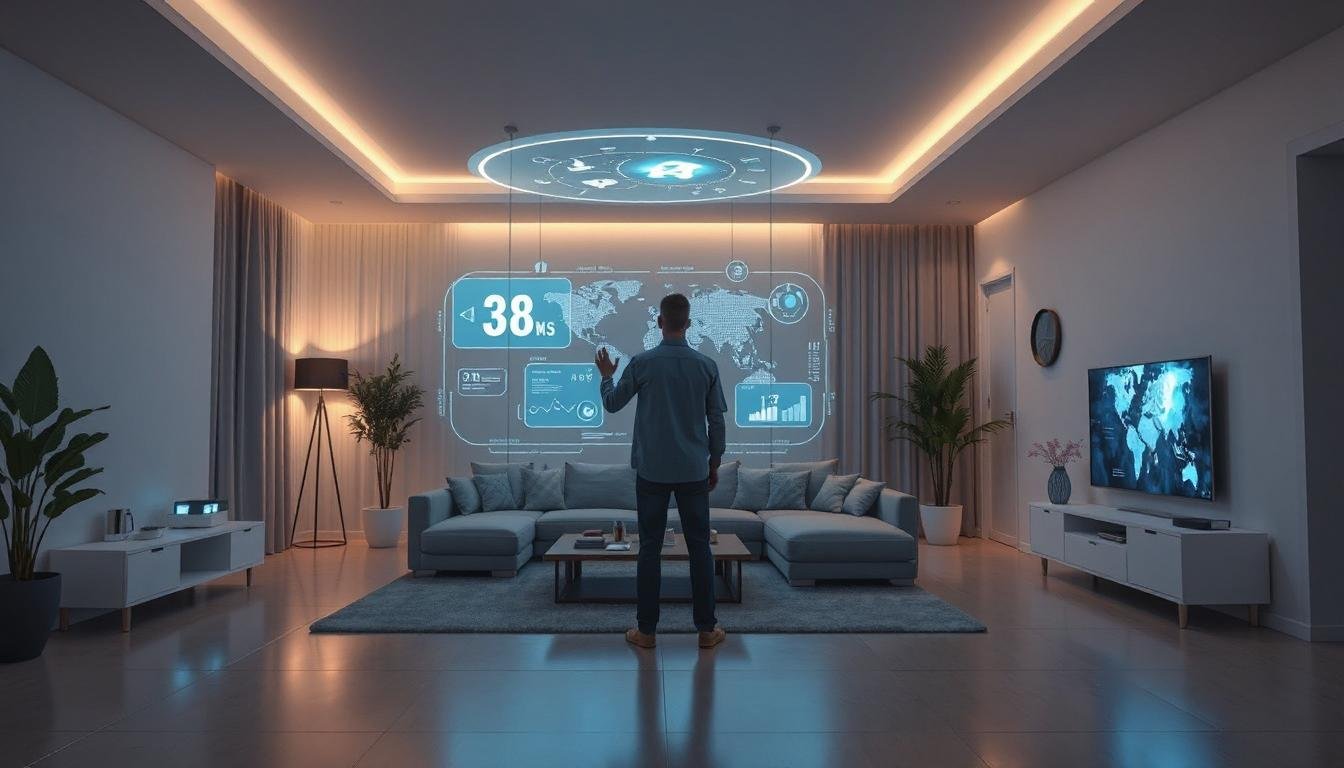
Your morning begins with a subtle notification on your phone - the coffee maker is heating up, the lights are gradually brightening, and the temperature has adjusted to your perfect comfort zone. You haven't touched a switch yet. This isn't science fiction; this is the reality of smart home living in 2026. The world of home gadgets has evolved dramatically, transforming from novelty tech into essential elements that genuinely improve how we live, work, and rest. Smart home technology is no longer about impressing guests with voice commands; it's about creating spaces that work with you, understand your rhythms, and adapt to your needs throughout the day.
The shift toward smart living represents something deeper than gadgetry. It's about reclaiming time, reducing daily friction, and creating environments that support both productivity and well-being. As our homes become smarter, they're increasingly becoming partners in our overall wellness journey. When your environment is optimized for your natural rhythms, everything else - including your stress levels, sleep quality, and general health - improves considerably.
The Smart Home Revolution: What's Changed Since 2024
The smart home landscape of 2026 bears little resemblance to the fragmented, app-heavy systems of just two years ago. What once required technical expertise and a tolerance for occasional compatibility disasters is now genuinely user-friendly. The real revolution isn't just in the gadgets themselves; it's in how seamlessly they communicate with each other and with you.
Integration has become the defining feature. Where 2024 saw consumers juggling multiple apps and ecosystems, 2026 offers a far more unified experience. Devices from different manufacturers now work together through common standards, reducing the frustration that once plagued early adopters. The cost barrier has also shifted dramatically. What cost £500 five years ago might now cost £89. Quality has improved alongside affordability, making smart home adoption accessible to genuinely everyone.
The other significant shift is the move from "cool factor" to "wellness factor." Smart home technology is increasingly designed with human well-being in mind. Circadian lighting that aligns with your natural rhythms, temperature systems that optimize sleep quality, air purification that handles allergens and pollutants, and security systems that provide peace of mind all contribute to an environment where your body and mind can function at their best. This holistic approach to home technology means that investing in smart gadgets is really an investment in your health.
Creating Your Smart Home Ecosystem: Start With Your Foundation
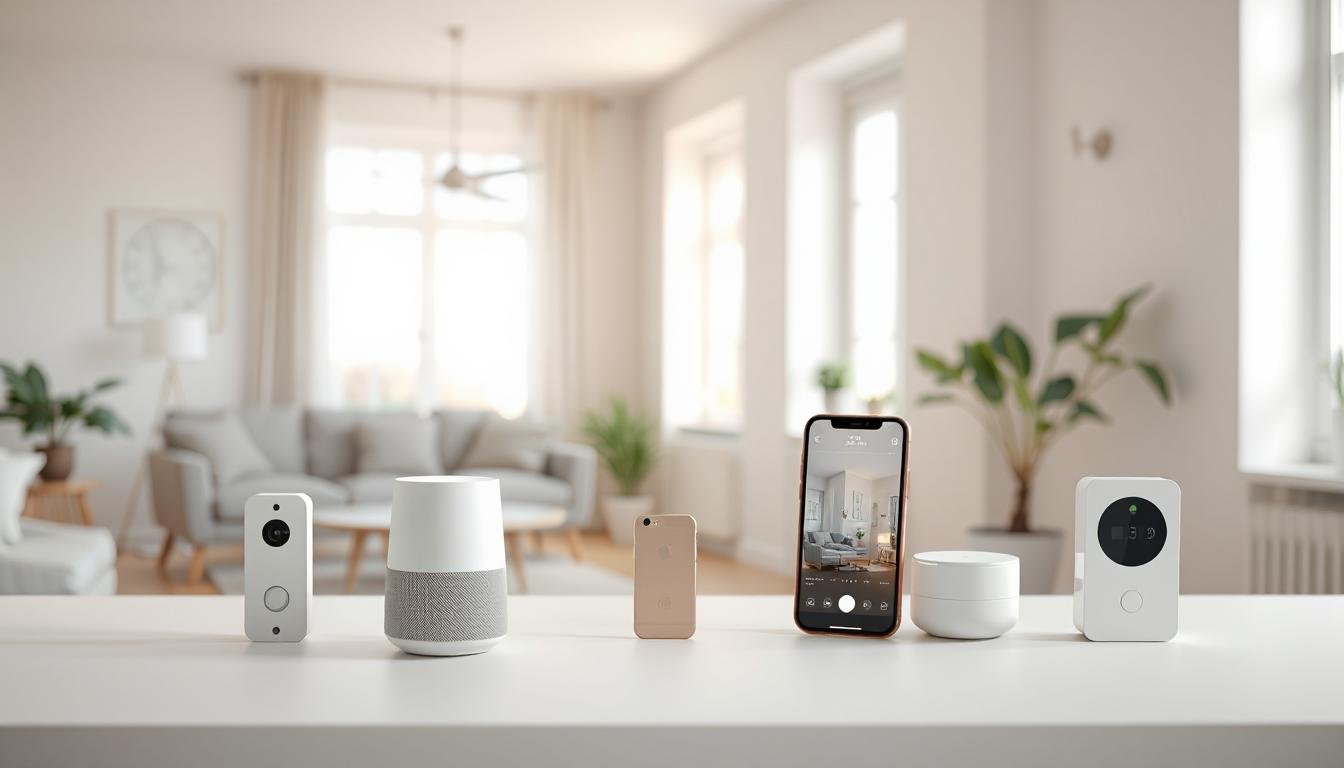
Building a smart home doesn't require buying everything at once. Successful smart home users start with a clear foundation. First, you'll want to choose a central hub—this is essentially the brain of your system. Popular options include Amazon Alexa, Google Home, Apple HomeKit, and Samsung SmartThings. Your choice here matters because it influences which devices will integrate most smoothly. Research which ecosystem aligns with devices you already own and prioritize compatibility over trying to force everything into one system.
Once you've selected your hub, build outward slowly. The temptation to buy ten gadgets at once is understandable but counterproductive. Start with devices that will genuinely improve your daily life. For many people, this means smart lighting first, then climate control, and then security. This staged approach lets you understand each system before adding complexity.
Think about your home's natural zones. Your bedroom needs different automation than your kitchen, which differs from your living room. A comprehensive smart home isn't about uniform technology; it's about tailored solutions for how you actually live. Your bedroom might prioritize sleep-supporting features like blackout automation and temperature control, while your kitchen focuses on convenience and energy efficiency.
Essential Categories: Where to Start Your Smart Home Journey
Smart lighting represents the most transformative category for most households. Modern smart bulbs do far more than turn on and off remotely. They adjust color temperature throughout the day, supporting your natural circadian rhythm. Morning light is brighter and cooler, energizing your brain for the day ahead. As evening approaches, warm, dim lighting signals to your body that it's time to wind down. This alignment with natural light cycles actually improves sleep quality significantly. For someone concerned about maintaining good sleep and managing stress, smart lighting that supports your body's natural rhythm is profoundly valuable. Consider pairing these environmental supports with supplements like magnesium glycinate to further optimize your sleep quality and relaxation.
Climate control through smart thermostats addresses both comfort and energy efficiency. These systems learn your temperature preferences, adjust automatically based on occupancy, and can be controlled remotely. Beyond comfort, proper temperature regulation significantly impacts sleep quality. Most people sleep better in cool environments (around 65-68 degrees Fahrenheit), and smart thermostats make maintaining this ideal temperature effortless.
Smart security systems have evolved beyond simple cameras and alarms. Modern systems integrate door locks, motion sensors, glass break detection, and camera systems that learn what's normal for your home and alert you to genuine anomalies. The peace of mind from knowing your home is properly secured contributes meaningfully to your overall stress levels. When you don't have to worry about whether you locked the door or left the garage open, your nervous system can actually relax.
Energy monitoring through smart plugs and meters helps you understand where electricity goes and where you can optimize. Beyond cost savings, conscious energy management aligns with many people's values around sustainability and responsible living. Speaker systems with smart integration now offer far more than music; many include features for managing other devices, receiving notifications, and creating ambient soundscapes that support focus or relaxation.
Budget-Friendly Smart Living: Affordability Meets Quality
One of the most encouraging developments in smart home technology is the dramatic price reduction without corresponding quality loss. You no longer need to choose between affordability and functionality. Smart bulbs that were £35 five years ago now cost under £10 and perform better. Smart plugs are available for £5-15 and work reliably. Smart speakers have dropped from £180 to under £40 for quality options.
Starting a smart home system for under £200 is entirely realistic. Budget £50-60 for a smart hub, £80-100 for smart lighting throughout your main living areas, and £40-50 for smart plugs and basic automation. This foundation provides genuine daily value and leaves room for expansion as your comfort and understanding grow.
One valuable approach is focusing on categories that provide the highest quality-of-life improvement relative to cost. Smart lighting delivers enormous benefit-to-cost ratio. Smart thermostats pay for themselves through energy savings. Smart door locks eliminate the frustration of searching for keys. These create noticeable daily improvements without requiring major investment. The idea is building incrementally, letting each addition settle before expanding further.
Many retailers offer seasonal discounts on smart home equipment. March through May often sees spring promotions, while September brings back-to-school deals even for home tech. November and December are predictably competitive. Shopping strategically during these windows stretches your budget considerably further.
Integration and Compatibility: Making Everything Work Together
The frustration that characterized smart home adoption in earlier years largely stemmed from compatibility issues. Devices from different manufacturers often couldn't communicate smoothly, leaving users managing multiple apps and experiencing frequent disconnections. Modern systems have largely solved this through the adoption of common standards.
Matter, released in 2023 and widely adopted by 2026, represents a significant leap forward. This open standard allows devices from different manufacturers to communicate reliably. When shopping for new gadgets, look for Matter certification. This single decision makes integration dramatically smoother and future-proofs your choices better than proprietary ecosystem loyalty.
Beyond Matter, modern smart home systems are designed for flexibility. You can absolutely use devices from multiple manufacturers within one ecosystem. An Alexa user can integrate Philips Hue lights (which work with multiple systems), a Google-compatible thermostat, and an Apple HomeKit camera if they want. The era of ecosystem lock-in is largely behind us, though knowledge of compatibility ahead of purchase still matters.
Automation is where the real magic happens. Rather than manually adjusting systems, you create routines and rules. "When I say goodnight, turn off all lights except the bedroom, dim to 10%, set temperature to 66 degrees, and lock the door." "When I leave home, turn off unnecessary lights, adjust the thermostat to away mode, and arm security." These automations, once configured, create an environment that adapts to you without constant intervention.
Managing the mental and physical stress that comes from information overload is increasingly important in our tech-saturated world. Ashwagandha KSM-66 is well-researched for supporting stress management and mental clarity. When your smart home systems operate smoothly, handling background stress, you can better focus on incorporating supportive wellness practices. A home that works for you, paired with nutritional support for stress management, creates a genuinely integrated approach to modern living.
Health and Wellness in Your Smart Space: Beyond Convenience
The most compelling evolution in smart home technology for 2026 is its integration with health and wellness. Your home is no longer just a convenient space; it's becoming an active partner in your health journey. Air quality monitoring has become standard rather than luxury. Smart sensors track humidity, temperature, carbon dioxide levels, and volatile organic compounds, adjusting ventilation automatically. Poor indoor air quality affects cognitive function, sleep quality, and respiratory health. Optimizing this through smart monitoring and automation represents a genuine health investment.
Circadian lighting, mentioned earlier, deserves emphasis because the research supporting it is substantial. Your body's production of melatonin, the hormone that drives sleep, is profoundly influenced by light exposure. Smart lighting that mimics natural daylight cycles—bright and blue-toned during the day, progressively warmer and dimmer as evening approaches—materially improves sleep quality. Combined with good sleep hygiene and supportive supplements, this creates powerful sleep optimization.
Hydration tracking through smart refrigerators and water dispensers helps many people maintain adequate hydration, which affects everything from cognitive function to joint health. Some systems send notifications reminding you to drink water, addressing the common problem of becoming so focused on work that you forget basic self-care. Vegan Omega-3 supplementation supports brain health and cognitive function, complementing the environmental optimization your smart home provides. When your home supports your physical needs through proper hydration and air quality, your brain has better support for optimal function.
Stress reduction extends beyond just optimizing physical comfort. Some smart home systems integrate with meditation and mindfulness apps, projecting calming soundscapes or adjusting lighting to support relaxation periods. This approach to holistic wellness recognizes that your home environment profoundly influences your mental state and that systematic optimization creates compounding benefits. Digital wellness support becomes increasingly important as technology becomes more integrated into daily life. Taking intentional breaks, using technology mindfully, and supporting your nervous system through both environmental design and nutritional support creates genuine balance.
Movement, Posture, and Physical Wellness at Home
Smart homes increasingly monitor and encourage movement. Some systems track activity through wearable integration, sending gentle reminders to stand and move after extended sitting periods. Others use occupancy sensors to adjust lighting and temperature when you're in different rooms, naturally encouraging movement throughout your home.
Height-adjustable desks with smart integration allow seamless transition between sitting and standing work. Apps manage timer reminders to change positions, addressing the modern problem of sedentary work contributing to postural issues, stiffness, and reduced circulation. When your environment actively supports movement variation rather than allowing stagnation, your body functions better throughout the day.
The connection between movement quality and cognitive function is profound. Walking through your home while making decisions or taking calls, rather than sitting stationary, improves creative thinking and decision quality. Movement also supports joint health, cardiovascular function, and mental clarity. Curcumin and turmeric supplementation supports overall wellness and joint health, complementing the movement opportunities your smart home design enables. This integrated approach—designing your physical space to encourage movement, supporting that movement with nutrition, and using technology to remind you to move—represents modern holistic wellness.
The Future of Home Living: What's Coming in 2026 and Beyond
As we look toward the latter half of 2026 and beyond, smart home technology continues evolving in directions that prioritize both convenience and well-being. Artificial intelligence becomes increasingly sophisticated in understanding your preferences and anticipating your needs. Rather than following programmed rules, AI systems learn your patterns and adapt proactively. This moves from "automation" toward genuine responsiveness—your home understanding that you're stressed and automatically adjusting lighting, temperature, and ambient sound to support relaxation.
Health integration becomes more sophisticated. Wearables communicate directly with your smart home, adjusting environments based on heart rate variability, sleep debt, and stress indicators. A system might recognize that you're recovering from illness and maintain warmer temperatures, higher humidity, and warmer lighting to support recovery. This predictive approach to environmental wellness represents the frontier of smart home technology.
Energy efficiency continues improving, with homes increasingly generating their own power through solar integration and managing energy intelligently. Smart systems prioritize renewable generation, charge battery systems during cheap-rate periods, and optimize usage across the entire home. This reduces both environmental impact and energy costs while supporting the values of conscious consumers.
Privacy and security continue to improve with edge computing—processing happening on local devices rather than sending data to cloud servers. This addresses legitimate concerns about smart home surveillance while maintaining the convenience benefits that make smart living valuable.
The most important shift for 2026 onward is the recognition that smart home technology is fundamentally about supporting human flourishing. Technology that makes your life objectively better—that supports better sleep, reduces stress, improves air quality, and encourages movement—is technology worth adopting. Technology that merely creates busyness or surveillance concern is worth questioning regardless of manufacturer marketing.
Your Smart Home Transformation Starts Today
Building a smart home in 2026 is more accessible, more affordable, and more genuinely beneficial than ever before. You don't need to understand the technical specifications or make complex ecosystem decisions. Start simple: choose a hub that appeals to you, add smart lighting, and expand based on your actual needs rather than gadget marketing.
The real value of smart home technology lies not in the novelty of voice commands or remote control from your phone—though these are nice conveniences. The real value lies in creating an environment that supports your health, reduces daily friction, provides security and peace of mind, and aligns with your values. When your home works with you rather than requiring constant attention, you gain something more valuable than any single gadget: you gain time and mental space for what matters most.
Start with one category, understand it fully, experience the genuine benefit, and build from there. This measured approach to smart home adoption ensures that each addition genuinely improves your life rather than creating complexity for its own sake. Your home, optimized for your well-being and supported by mindful technology choices, becomes a true sanctuary that supports your best self.
Research and Sources
Smart Home Technology and Health Outcomes - NCBI/NIH
Smart Homes: Technology and Implementation - ScienceDirect
Consumer Health Information - Mayo Clinic
Staying Healthy: Evidence-Based Health Information - Harvard Health
NIH News and Events - National Institutes of Health
Frontiers in Public Health - Research Articles
BMJ: Research and Healthcare Information
Important Disclaimers
Educational Disclaimer: This article is for informational and educational purposes only and should not be considered professional advice. Always consult with appropriate professionals for your specific situation. Smart home technology recommendations are based on general best practices and should be adapted to your individual needs and home configuration.
Affiliate Disclosure: We earn affiliate commissions from recommended products. We only recommend products we believe in and have thoroughly researched. All affiliate links include our tracking identifier and support our ability to continue creating quality content. Your decision to use these links helps us maintain this resource while you receive no additional cost.
Healthcare Disclaimer: Information about health and wellness products is not medical advice. Consult healthcare professionals before starting any supplement regimen. The wellness products mentioned in this article are dietary supplements and are not intended to diagnose, treat, cure, or prevent any disease. Individual results vary based on personal health status, diet, exercise, and other lifestyle factors.