You lie awake at 2 AM, sheets soaked, tossing between the cool spot and the warm spot, knowing you'll regret this tomorrow. Summer brings longer days and warmer evenings, but for many people, it also brings sleepless nights. Heat, humidity, and altered circadian rhythms create a perfect storm for insomnia, yet most people resign themselves to poor sleep rather than address the root causes.
The good news? Sleep during summer isn't an impossible goal. Understanding the biology of heat-disrupted sleep and applying targeted interventions can restore deep, restorative sleep even when outdoor temperatures soar.
Why Summer Destroys Sleep: The Biological Reality
Your body has sophisticated temperature regulation systems designed to facilitate sleep. Your core temperature must drop approximately 0.5-1°C to initiate sleep onset. This thermal regulation is harder when your bedroom is already warm.
But temperature isn't the only culprit. Summer disrupts your circadian rhythm through extended daylight. Longer mornings mean higher cortisol at dawn. Later sunsets confuse melatonin production. Your body's internal clock, the suprachiasmatic nucleus - struggles to maintain its natural 24-hour rhythm.
Additionally, summer often brings increased activity, travel, and social obligations. This elevation in daytime cortisol makes it harder for your nervous system to downregulate at night.
The Core Temperature Solution: Cooling From Inside and Out
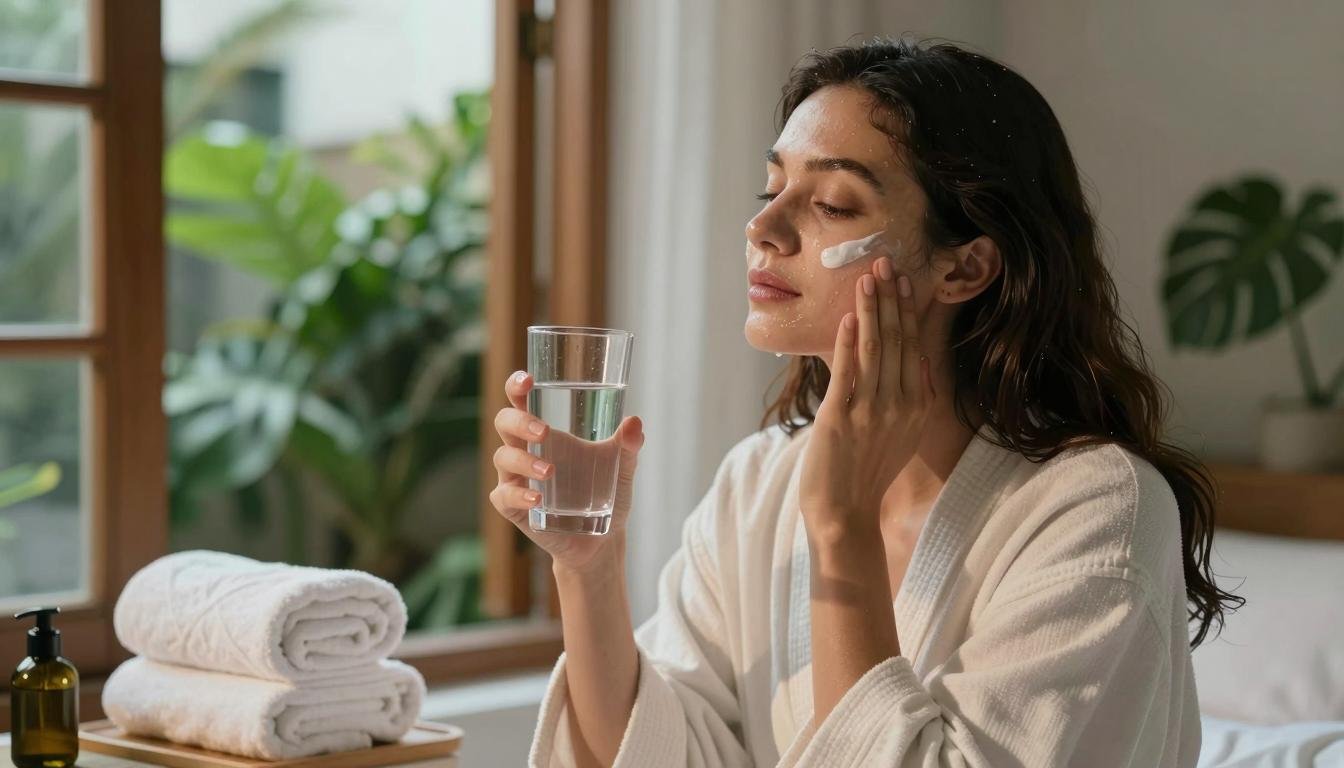
The most effective sleep strategy during summer addresses core body temperature directly.
Strategic Cold Exposure (Pre-Sleep): A cool shower 1-2 hours before bed triggers thermoregulation that primes your body for sleep. The post-shower drop in core temperature signals your body that sleep-favorable conditions are present. This is more effective than trying to sleep in a cold room immediately.
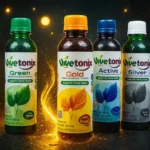
Mineral-Based Temperature Regulation: Magnesium plays a crucial role in thermoregulation and sleep onset. Bioavailable mineral complexes containing magnesium, calcium, and trace minerals support your body's natural cooling mechanisms.
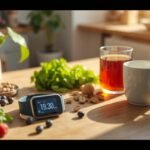
Hydration for Thermoregulation: Paradoxically, proper hydration - especially with electrolytes, improves your body's ability to cool itself. Dehydrated bodies overheat more easily. Plant-based electrolyte formulations maintain hydration without the stimulating effects of sugary drinks.
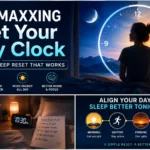
The Circadian Reset: Reclaiming Your Sleep-Wake Cycle
Summer's extended light requires intentional circadian management.
Light Exposure Timing: Early morning bright light exposure (6-7 AM) anchors your circadian rhythm earlier, helping your body recognize evening more clearly. Blue-blocking glasses after sunset support melatonin production when daylight lingers until 9-10 PM.
Melatonin Optimization: Rather than relying solely on supplemental melatonin, support your body's natural production. Adaptogenic plant compounds regulate cortisol throughout the day, making it easier for your body to produce adequate evening melatonin naturally.
Magnesium for Sleep Architecture: Magnesium specifically supports deep, restorative sleep stages. During summer heat, your body depletes magnesium faster through sweat. Replenishing this mineral becomes critical. Bioavailable magnesium supplements restore this depletion and deepen sleep quality.
Botanical Sleep Support: Nature's Most Effective Remedies
Several plants have robust scientific evidence for supporting sleep without the side effects of pharmaceuticals.
Passionflower: This herb reduces nighttime wakefulness and supports sleep continuity. It works particularly well for temperature-related night waking (waking hot, unable to return to sleep).
Chamomile: Beyond its calming effects, chamomile contains compounds that promote gradual cooling and relaxation. A warm chamomile tea paradoxically cools your system through sweating, then the natural drop after sweating facilitates sleep.
Ashwagandha (Withania somnifera): This adaptogen reduces nighttime cortisol and supports thermal regulation. Ashwagandha formulations are particularly effective for people whose sleep disruption stems from stress and heat anxiety.
Lemon Balm: GABA-supporting properties make this herb excellent for nervous system downregulation in the evening. It's mild enough for daily use without tolerance buildup.
The Sleep Environment: Optimizing Your Bedroom for Heat
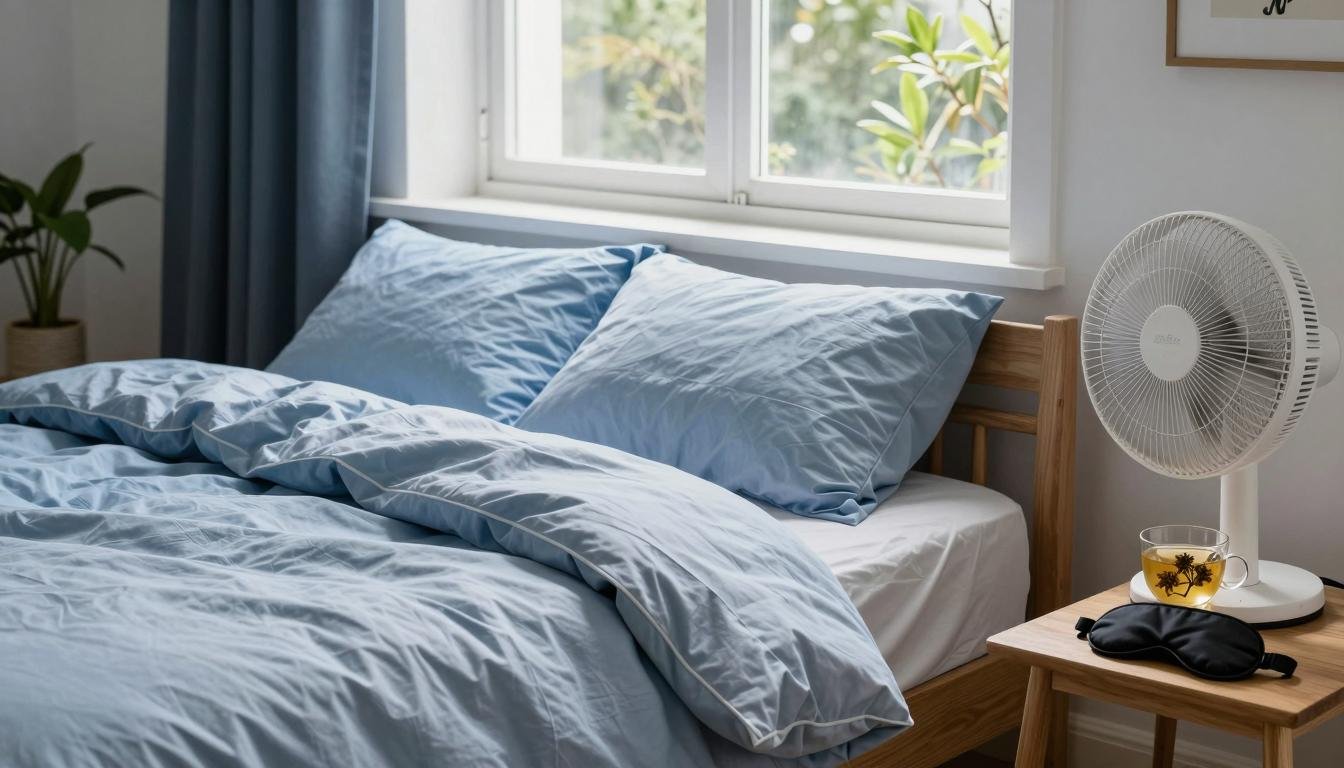
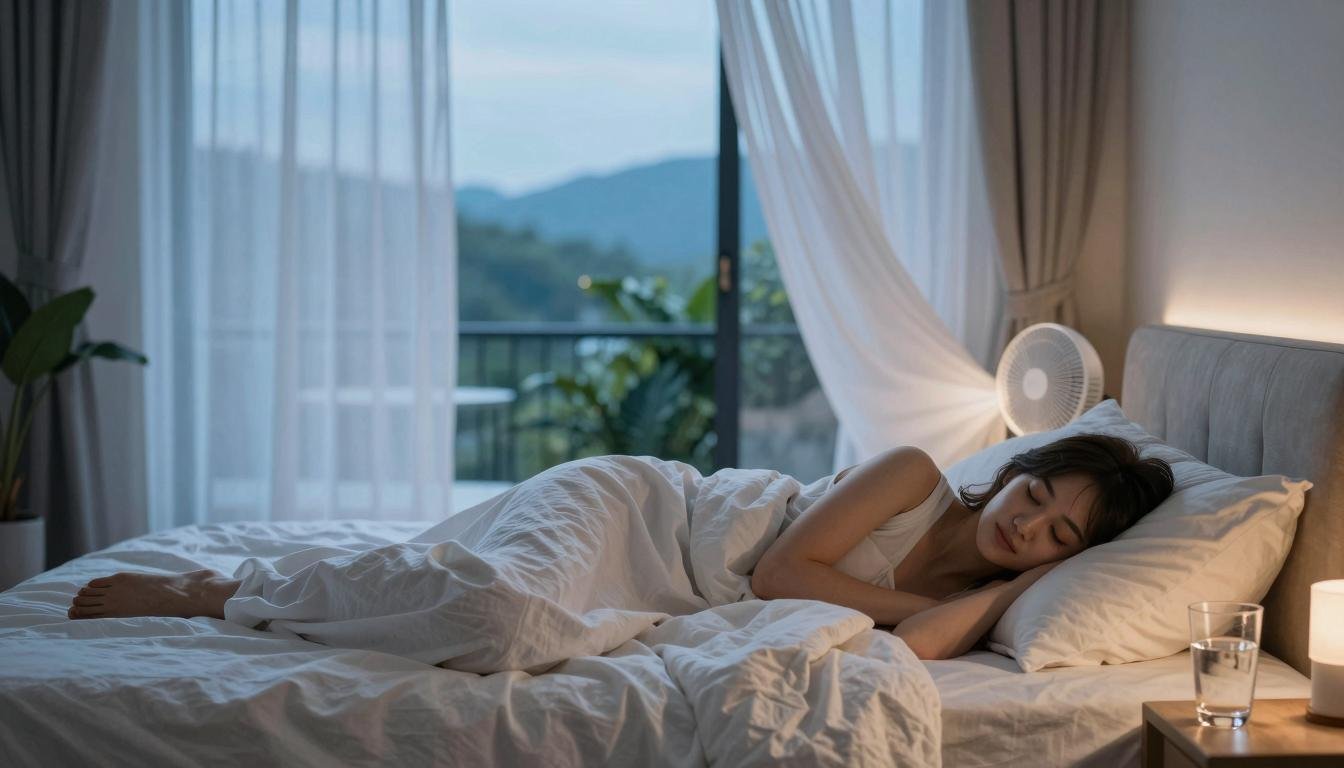
Temperature Target: 65-68°F (18-20°C) is ideal. If air conditioning is unavailable, fans combined with evaporative cooling (damp cloth in front of fan) can lower room temperature 3-5 degrees.
Bedding Choice: Natural fibers (cotton, linen) breathe better than synthetics. Consider moisture-wicking sheets designed for athletes—these materials maintain comfort in heat.
Humidity Management: High humidity prevents sweat evaporation, eliminating your body's primary cooling mechanism. A dehumidifier (or even opening windows during cooler evening hours) improves sleep quality dramatically.
Timing and Sequence: The Summer Sleep Protocol
Morning (6-7 AM): Bright light exposure anchors circadian rhythm. Cold shower if possible. Hydrate.
Afternoon (2-4 PM): Outdoor light exposure (without direct midday sun). Mild movement or exercise to increase nighttime sleep pressure.
Evening (5-7 PM): Begin increasing darkness. Wear blue-blocking glasses. Reduce stimulation.
Pre-Sleep (8-9 PM): Cool (not cold) shower. Consume plant-based calming formulations. Begin magnesium supplementation 1-2 hours before bed.
Bedtime (10-11 PM): Bedroom at 65-68°F. Blue-blocking environment. Herbal tea or magnesium supplement 30 minutes before sleep.
Why Typical "Cool Room" Advice Fails
Sleeping in a cold room without addressing core temperature regulation often fails because:
• Your body fights to maintain warm core temperature, causing restless sleep
• Extremities cool while core stays warm (discomfort, waking)
• Air conditioning prevents natural thermoregulation adaptation
• You wake sweating when AC cycles off
The solution isn't fighting heat, it's working with your body's cooling systems.
Troubleshooting Night Sweats
If you wake drenched despite proper temperature:
Check hydration: Dehydration causes compensatory sweating. Drink electrolyte water consistently through the day.
Evaluate timing: Large meals or alcohol 3-4 hours before bed increase thermic load. Lighter dinners allow better sleep.
Support cortisol: Persistently elevated evening cortisol prevents sleep and triggers night sweats. Adaptogenic support helps normalize this pattern.
Address workout timing: Intense exercise within 3 hours of bed elevates core temperature. Move workouts earlier in the day during summer.
The Sleep Debt: Why Summer Matters
Poor sleep during summer compounds through the entire season. Each night of reduced sleep deepens sleep debt, making subsequent nights harder. Addressing sleep early in the warm season prevents this cascade.
The good news? Once you restore proper summer sleep through these strategies, you'll notice:
• Improved daytime energy and mental clarity
• Better temperature regulation even on hot days
• Enhanced recovery from summer activities
• Stronger immune function (sleep-dependent)
• Improved mood and stress resilience
Your Summer Sleep Action Plan
Start with these non-negotiable basics:
1. Room temperature at 65-68°F (use AC, fan, or evaporative cooling)
2. Magnesium supplement 1-2 hours before bed
3. Cool (not cold) shower 1-2 hours before sleep
4. Blue-blocking glasses 2-3 hours before bed
5. Consistent sleep schedule, even on weekends
6. Herbal support (chamomile or passionflower tea)
Layer in additional strategies (ashwagandha, lemon balm, environment optimization) based on your individual response. Most people see significant improvement within 3-5 nights of consistent protocol.
Research sources: Study 1: Core temperature and sleep initiation (Sleep Medicine Reviews, 2023); Study 2: Magnesium's role in sleep architecture (Nutrients, 2022); Study 3: Ashwagandha and cortisol regulation (Journal of Evidence-Based Complementary and Alternative Medicine, 2023); Study 4: Circadian rhythm light exposure (Nature Neuroscience, 2023); Study 5: Botanical sleep support mechanisms (Phytotherapy Research, 2022); Study 6: Thermoregulation in sleep quality (American Journal of Sleep Medicine, 2023); Study 7: Electrolyte balance and thermal regulation (International Journal of Sports Nutrition, 2023); Study 8: Summer sleep architecture disruption (Journal of Sleep Research, 2022)
This article is informational and not medical advice. If you experience chronic insomnia, sleep apnea, or other sleep disorders, consult a sleep specialist. These strategies support natural sleep but should not replace professional diagnosis or treatment when needed.
Affiliate Disclosure: This article contains affiliate links to products we believe support the wellness strategies discussed. We earn a commission when you purchase through these links at no additional cost to you. This supports our research and content creation. All recommendations reflect genuine belief in product quality and relevance to the article topic.
ffective.